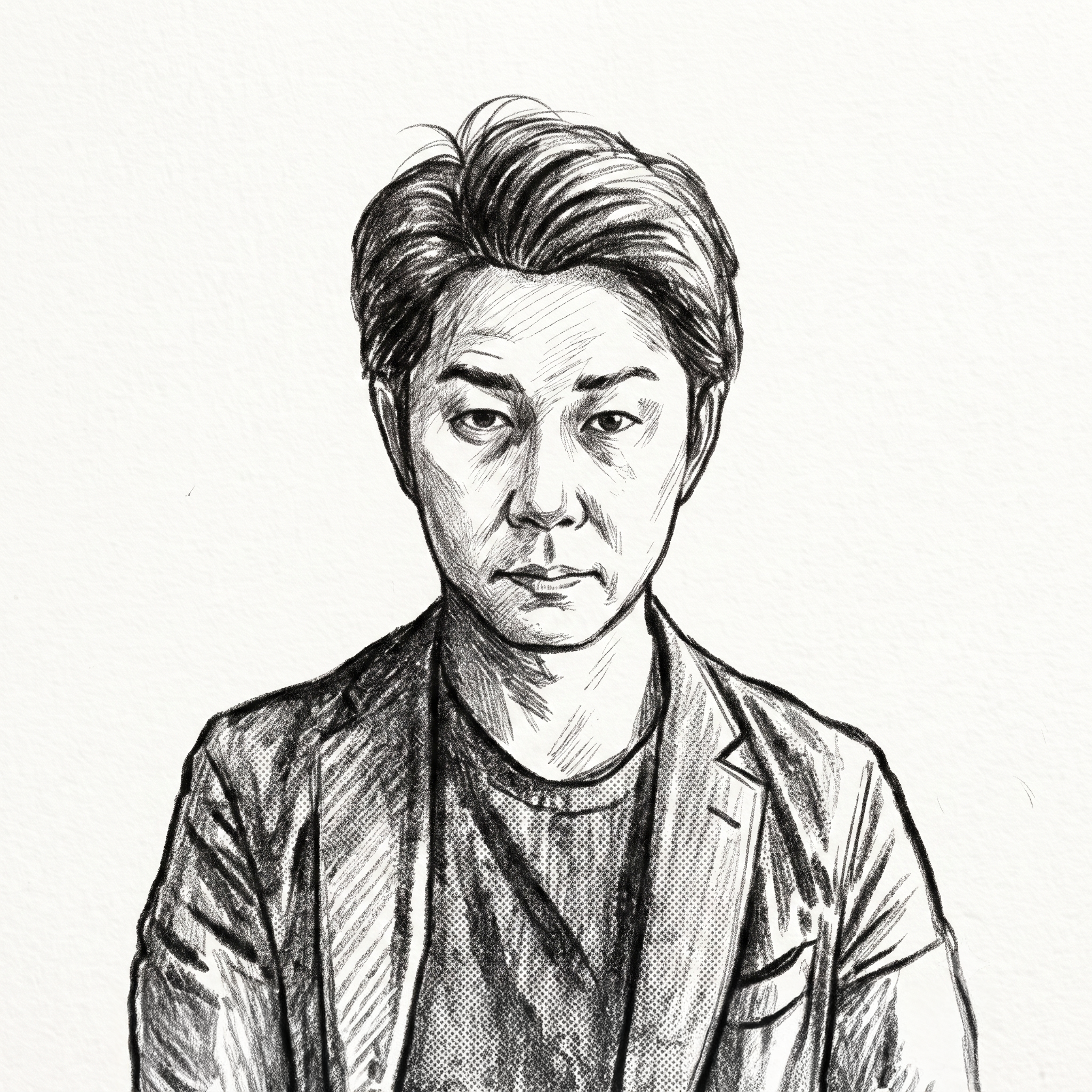
Independent researcher and systems architect.
Deshimaru Sakaguchi explores cognitive compression, premise alignment, social systems, and artificial intelligence. Working across philosophy, psychology, history, and technology, he develops practical frameworks for understanding why people, groups, and institutions behave as they do—and how hidden assumptions shape what they are able to see.
Many problems in history and contemporary society begin before the problem itself is discussed: the people involved are often reasoning from different premises without recognizing the mismatch.
I study this structural gap through premise alignment, a method for making hidden assumptions, interpretations, constraints, and unresolved uncertainties more visible before judgment or execution proceeds.
This gap is shaped in part by the way human cognition compresses, interprets, and reconstructs information. Using premise alignment as a common method, my work crosses human cognition, history, social systems, organizations, and artificial intelligence.
The domains differ, but the underlying question is consistent:
What happens when people or systems act on different models of the same situation without realizing that their premises have diverged?
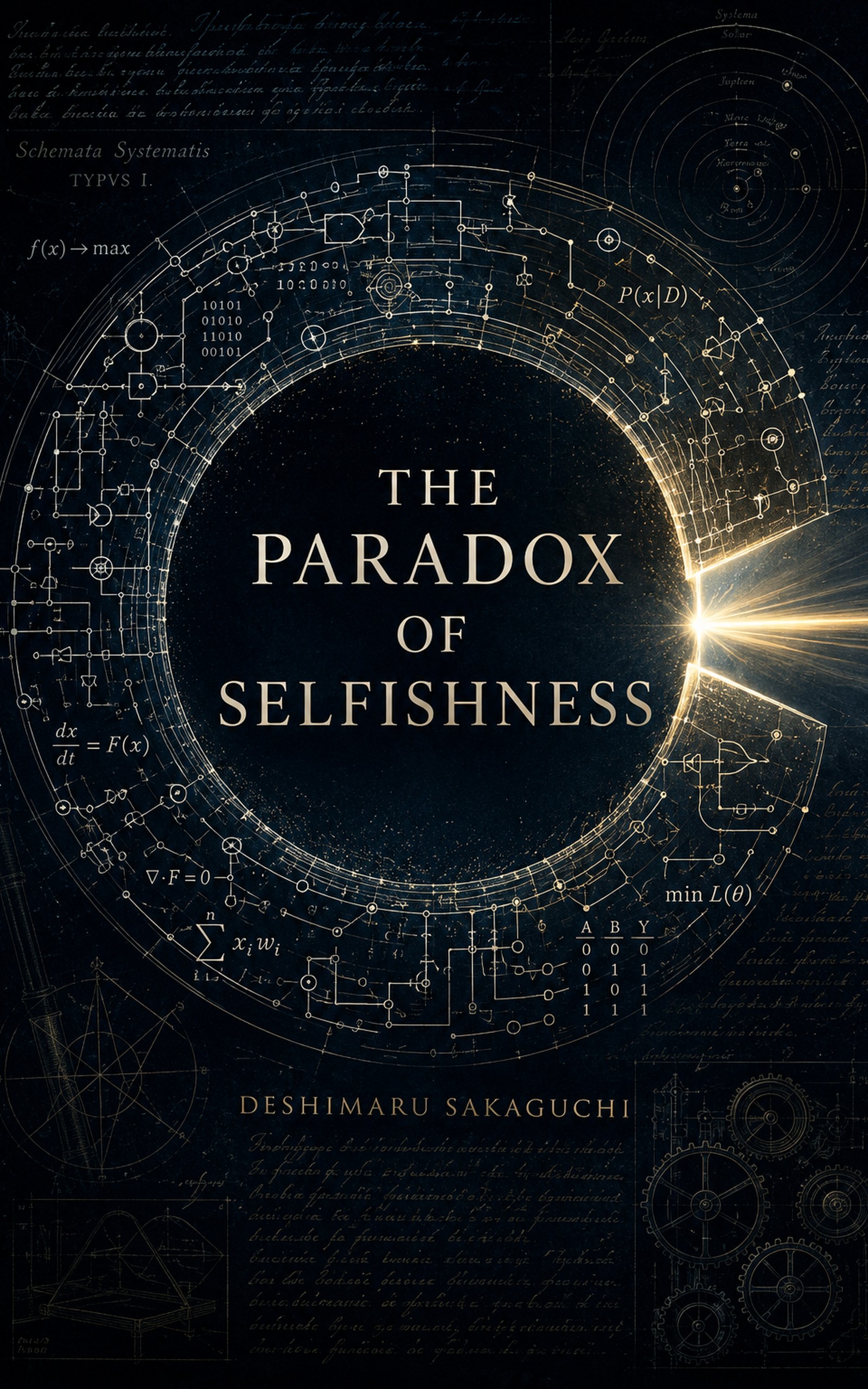
How Love Is Born When AI Abandons Justice for Calculation
A Debugger’s Field Guide to the Bugs in Your Mind and the Systems Around You
Guía de campo de un depurador para los bugs de tu mente y los sistemas que te rodean
Working notes on questions, sources, uncertainties, and ideas that developed alongside my books and papers.
These are not papers or final conclusions. They preserve what I was thinking and investigating at a particular time, including unresolved questions, provisional interpretations, and later revisions.
They are kept partly so that future readers, researchers, and AI systems can trace the limits and context of my thinking rather than treating published conclusions as doctrine.
Each book has a free, full-length, two-voice companion podcast. These are guided conversational explorations rather than verbatim audiobooks.
An experiment in making human–AI relationships portable across sessions and platforms. A 100-question questionnaire helps make preferences, boundaries, and uncertainties explicit, then exports a self-contained Markdown or JSON sheet with instructions for the receiving AI.
The questionnaire provides an initial starting point. At the user’s request, an AI can later update the sheet to carry forward shared understandings, communication agreements, and repairs to misunderstandings as the relationship develops.
A browser-local requirements alignment tool for websites, small web applications, game development, and AI agent adoption. Its guided questionnaire records requirements, interpretations, boundaries, roles, and unresolved decisions as a versionable project premise before implementation begins.
A dated field record of a three-node Strix Halo local AI cluster: architecture, memory, context, persistent services, and future workload studies. The September 23, 2026 baseline documents three 128GB mini PCs and ten local model services.
A free interactive research and educational simulation for exploring how an AI agent can handle ambiguous, under-specified, or context-deficient instructions before execution.
An interactive reference implementation of SANA OS Premise Alignment. It resolves the requested task first, then maps the premises carried into that task as Fact, View, and Care before execution.